Parametric architecture
Adaptive Parametric Architecture
Parametric architecture harnesses the power of algorithms and data to redefine how buildings and spaces come to life.
By translating design intentions into adjustable parameters, we create structures that respond dynamically to functional requirements, environmental factors, and aesthetic goals.
This methodology not only enables innovative geometries but also ensures smarter, more sustainable outcomes. Below are the key characteristics that make parametric architecture a game-changer in contemporary design.

Parameters and Variables
Design elements are defined through parameters, allowing architects to manipulate variables to achieve different forms and functions.
Generative Design
By using algorithms, designs can change dynamically based on input data, enabling exploration of a wide range of design options efficiently.
Interactivity
Designers can interact with models in real-time, enabling adjustments based on performance or aesthetic criteria.
Sustainability
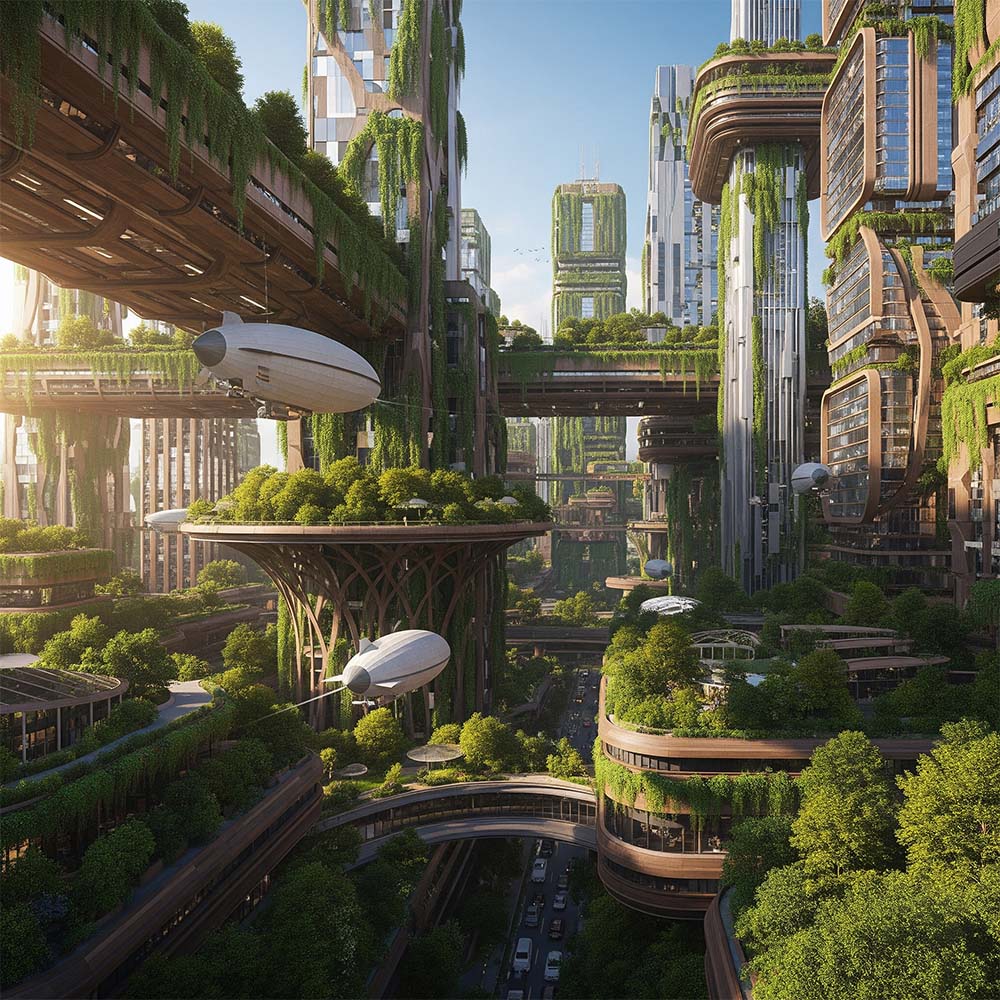
Parametric designs often incorporate environmental factors, allowing for the optimization of energy use, material efficiency, and minimization of waste.
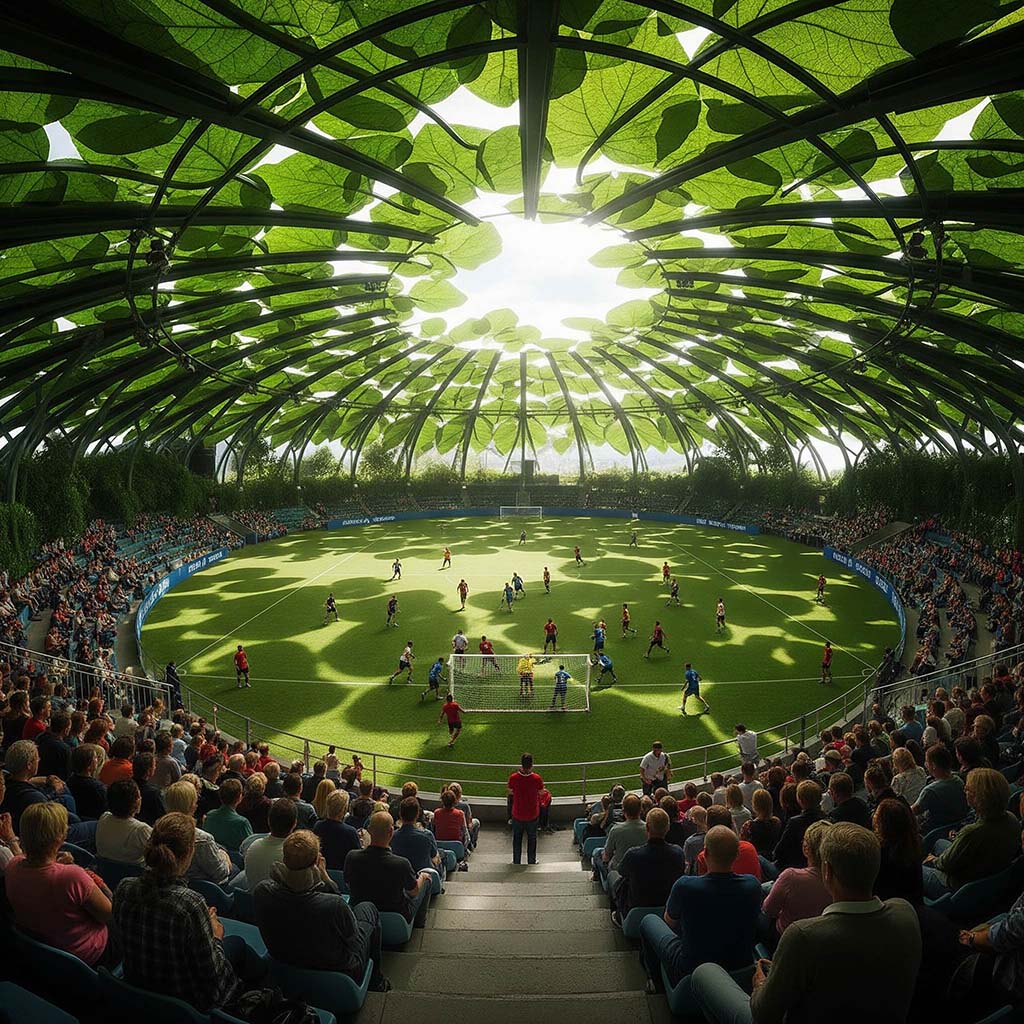
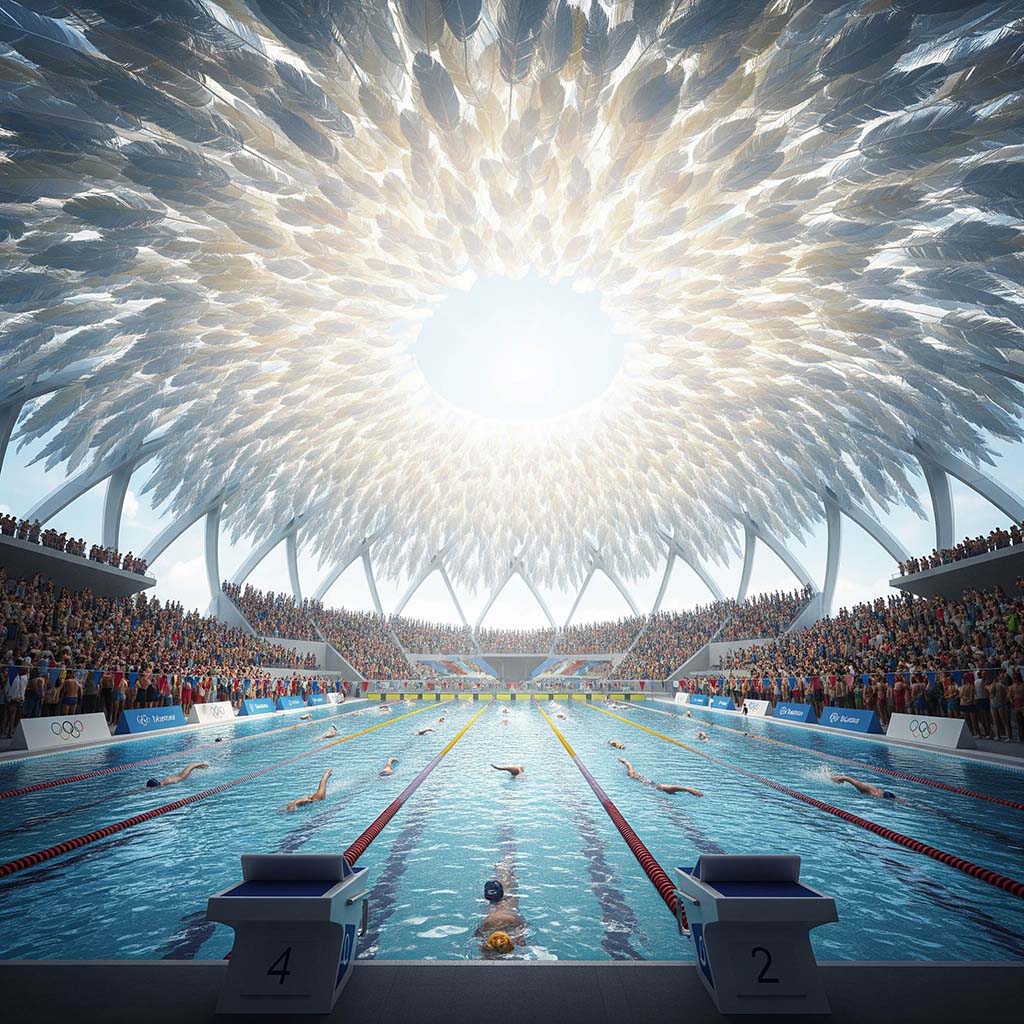
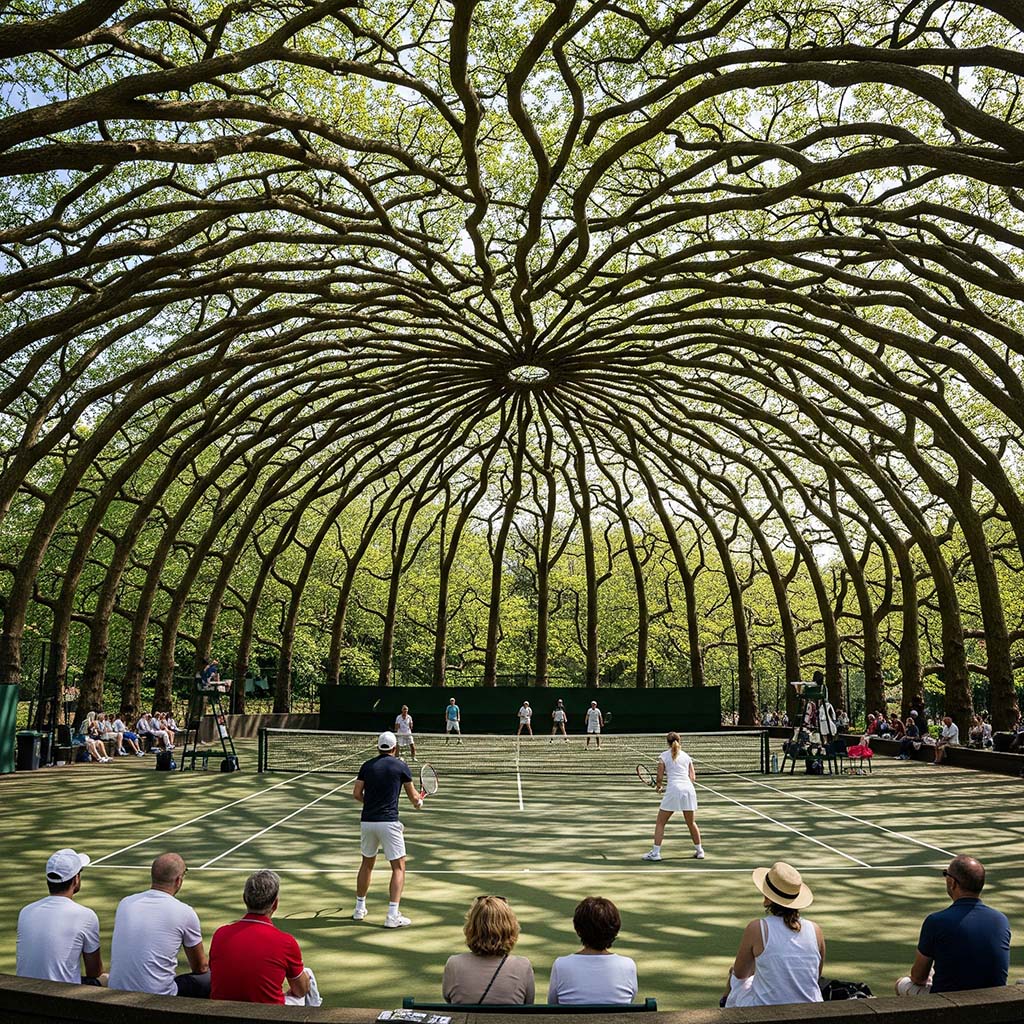
Complex Geometries
This approach can produce intricate and unique forms that would be challenging to achieve using traditional methods.
Parametric architecture is often employed in modern projects that seek to push the boundaries of design, utilizing tools like Grasshopper, Rhino, and similar software. It is commonly seen in iconic buildings and installations that feature innovative shapes and responsive designs.