3D Modeling for Film and Gaming
Immersive 3D Modeling for Film & Gaming
3D modeling for film and gaming involves creating three-dimensional representations of objects, characters, environments, and scenes.
This process is essential for visual storytelling and interactive experiences in both industries. Here are key aspects of 3D modeling in this context:
Character Modeling
In film and gaming, characters are modeled to bring them to life. This involves designing the character's geometry, defining facial features, clothing, and other attributes. Rigging, which involves creating a skeletal structure, allows for animating the character.
Environment Modeling
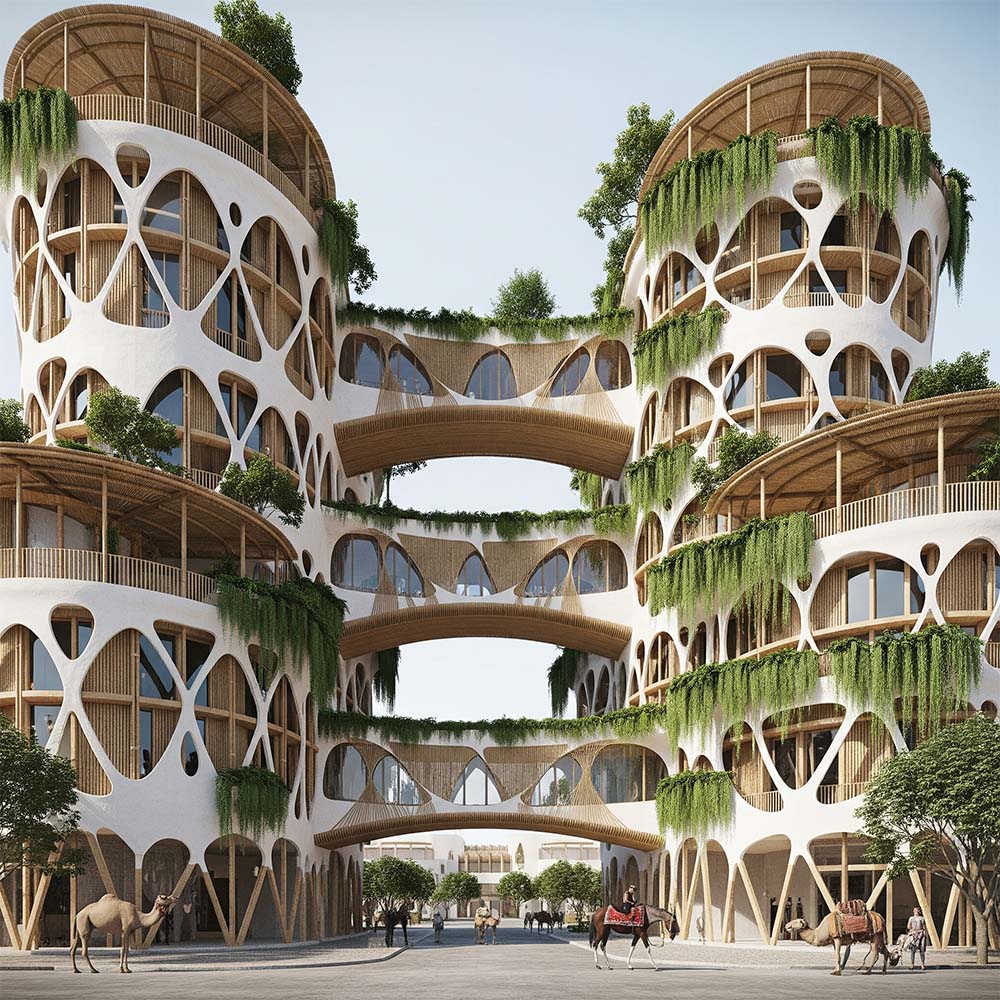
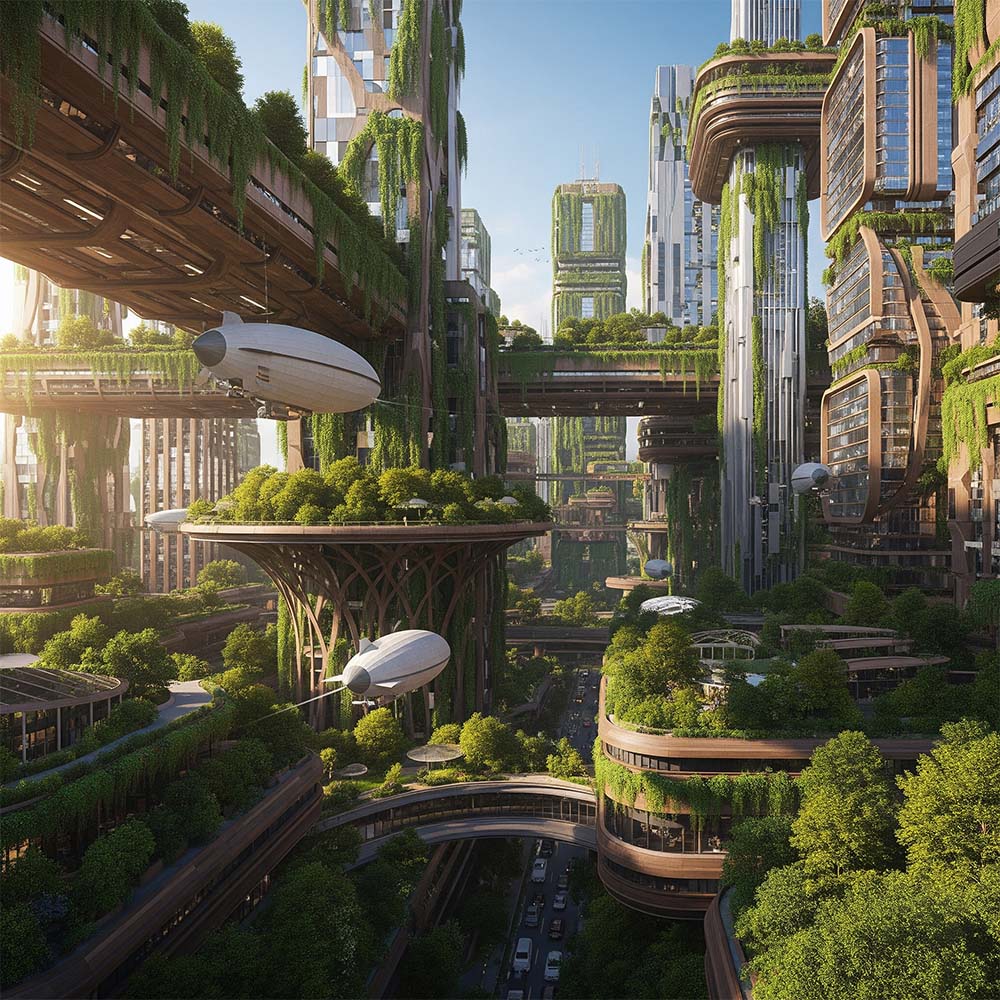
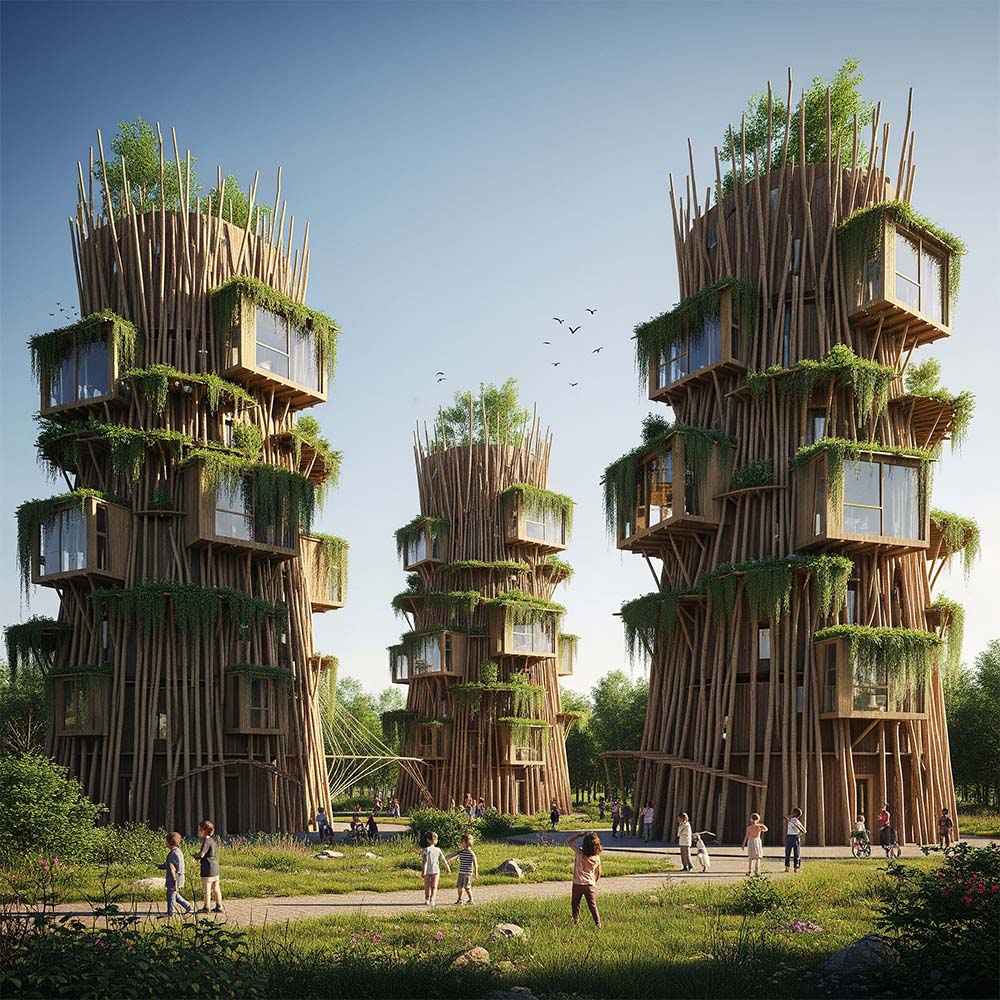
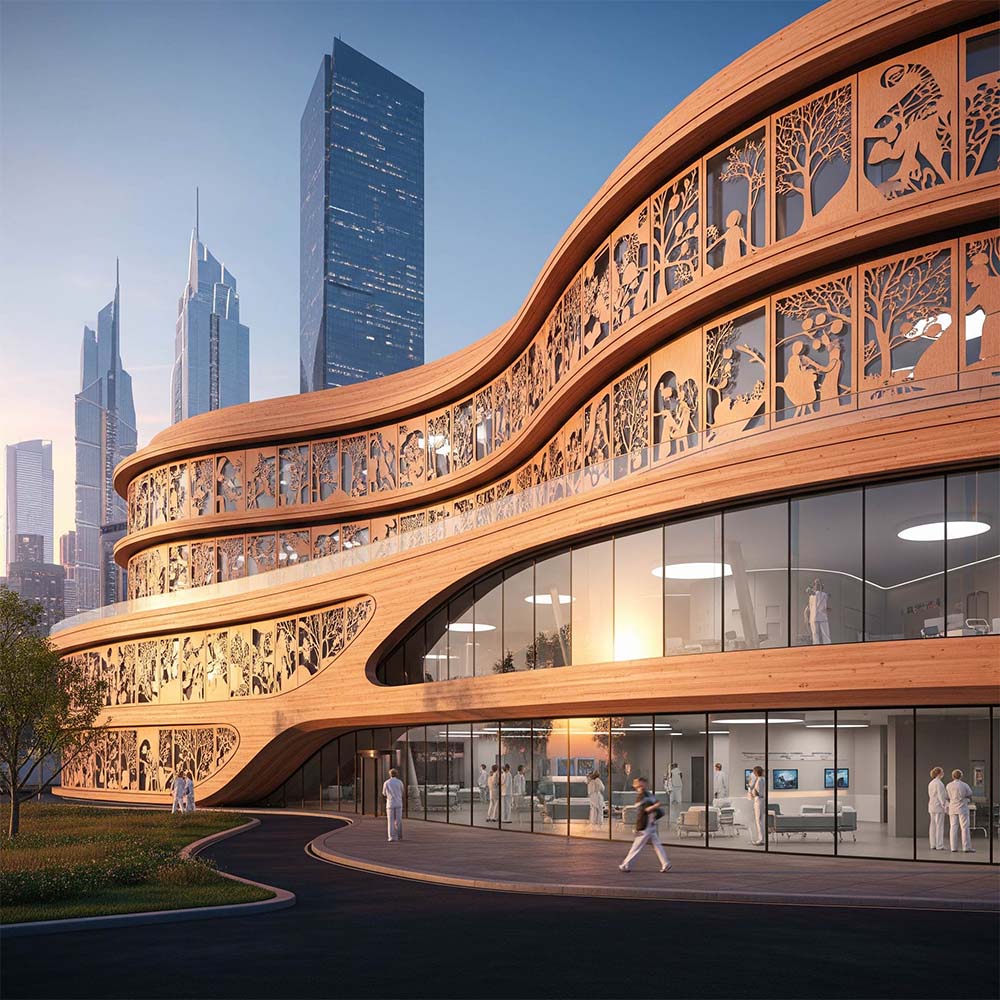
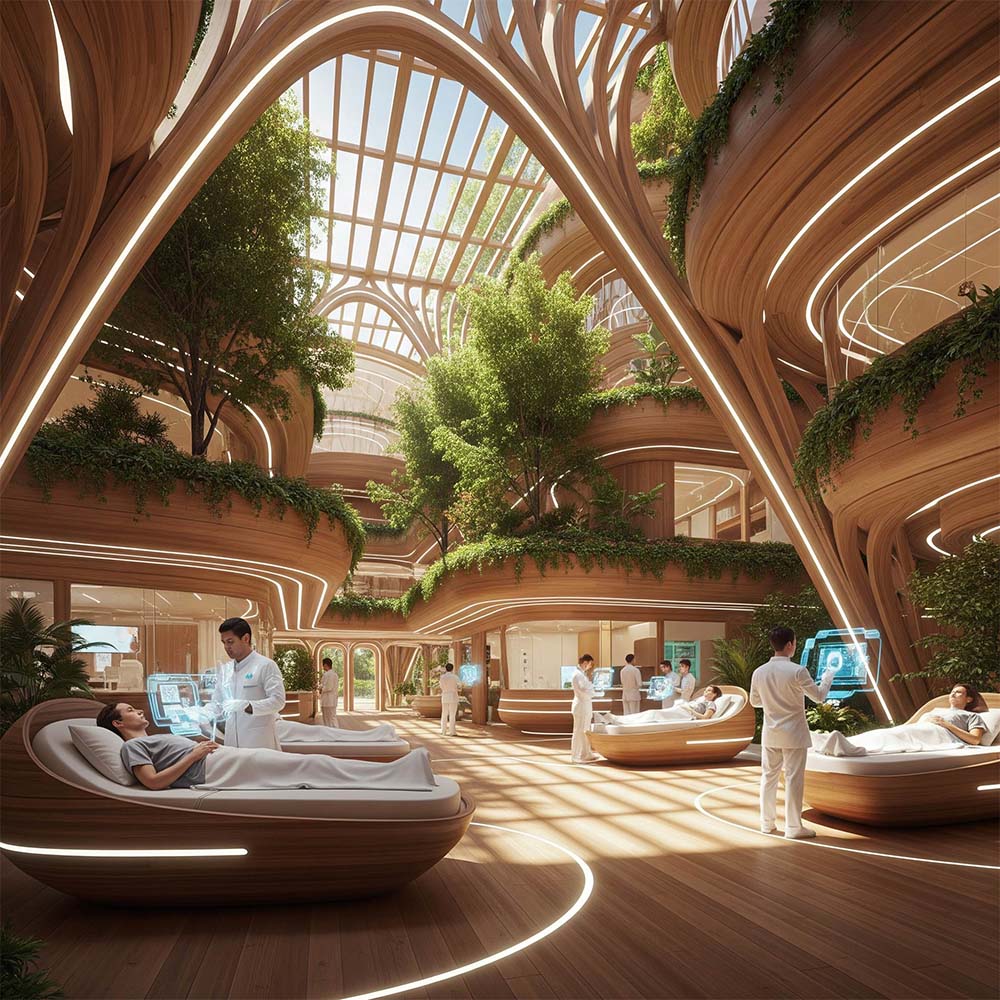
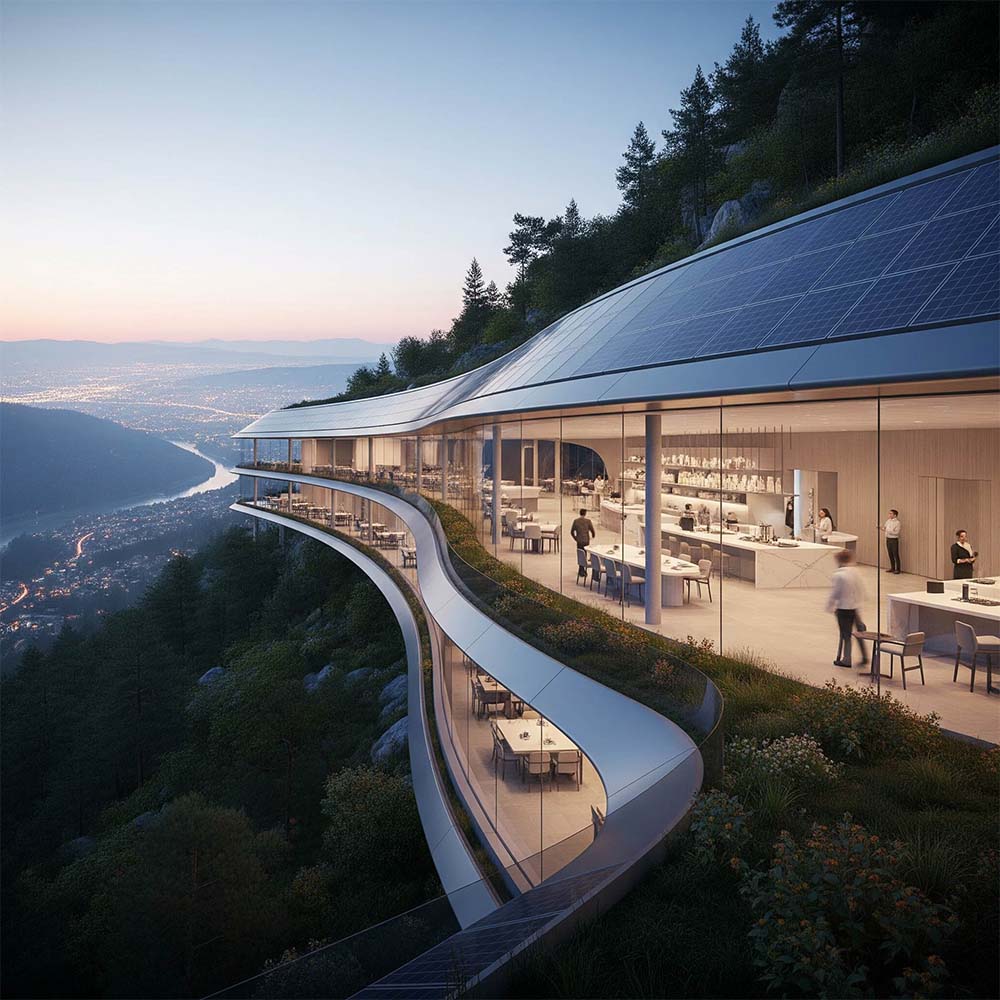
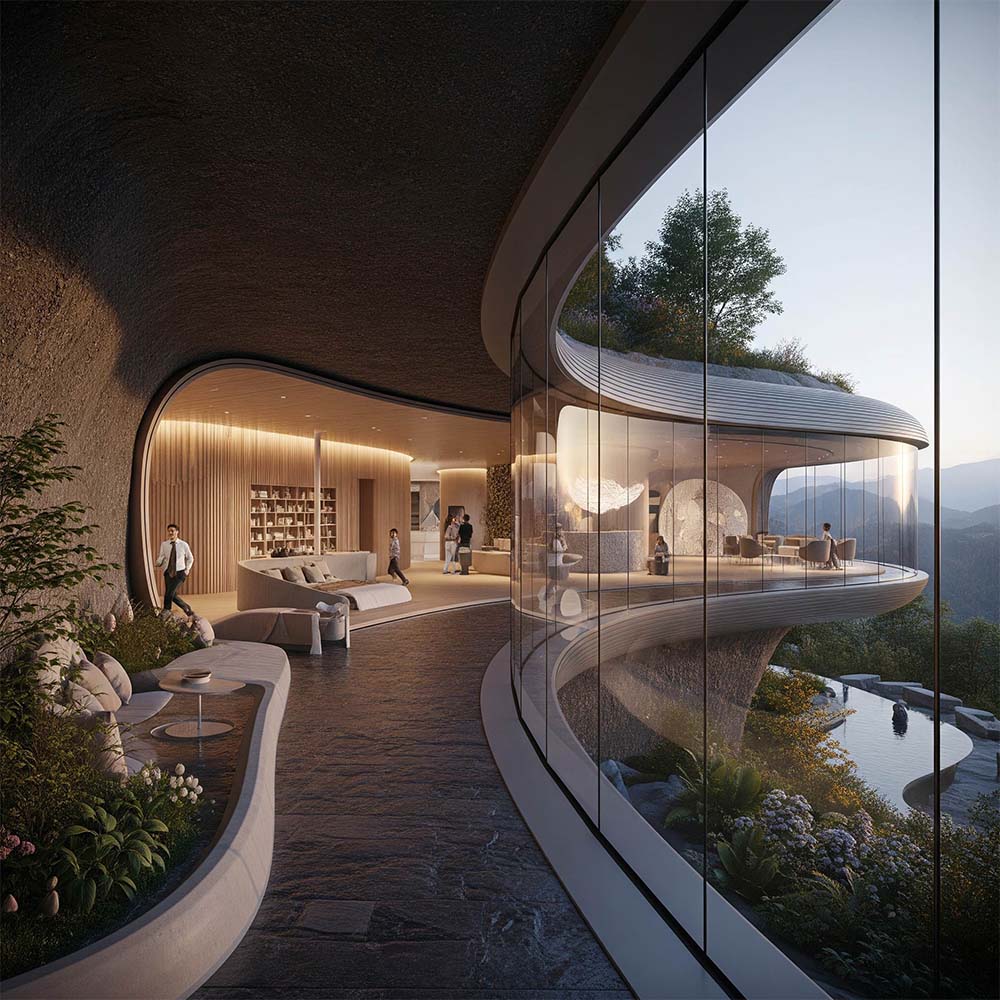
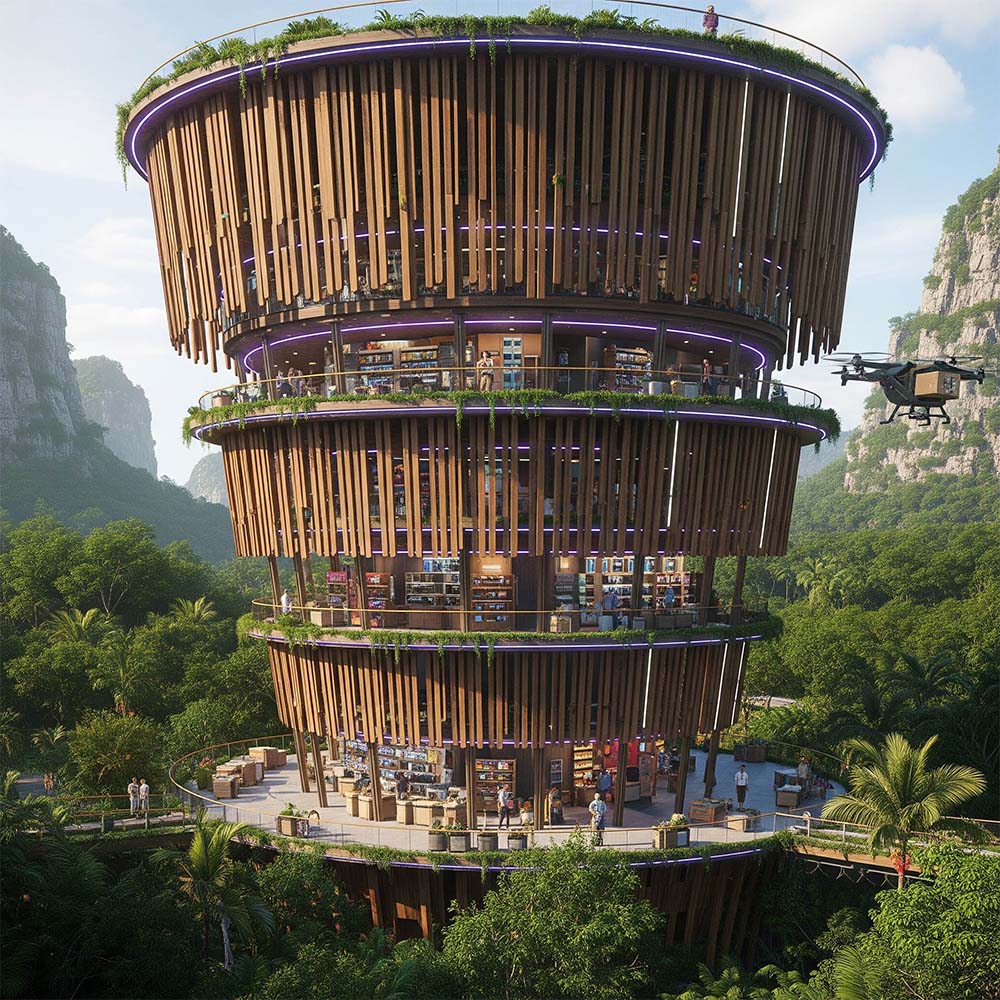
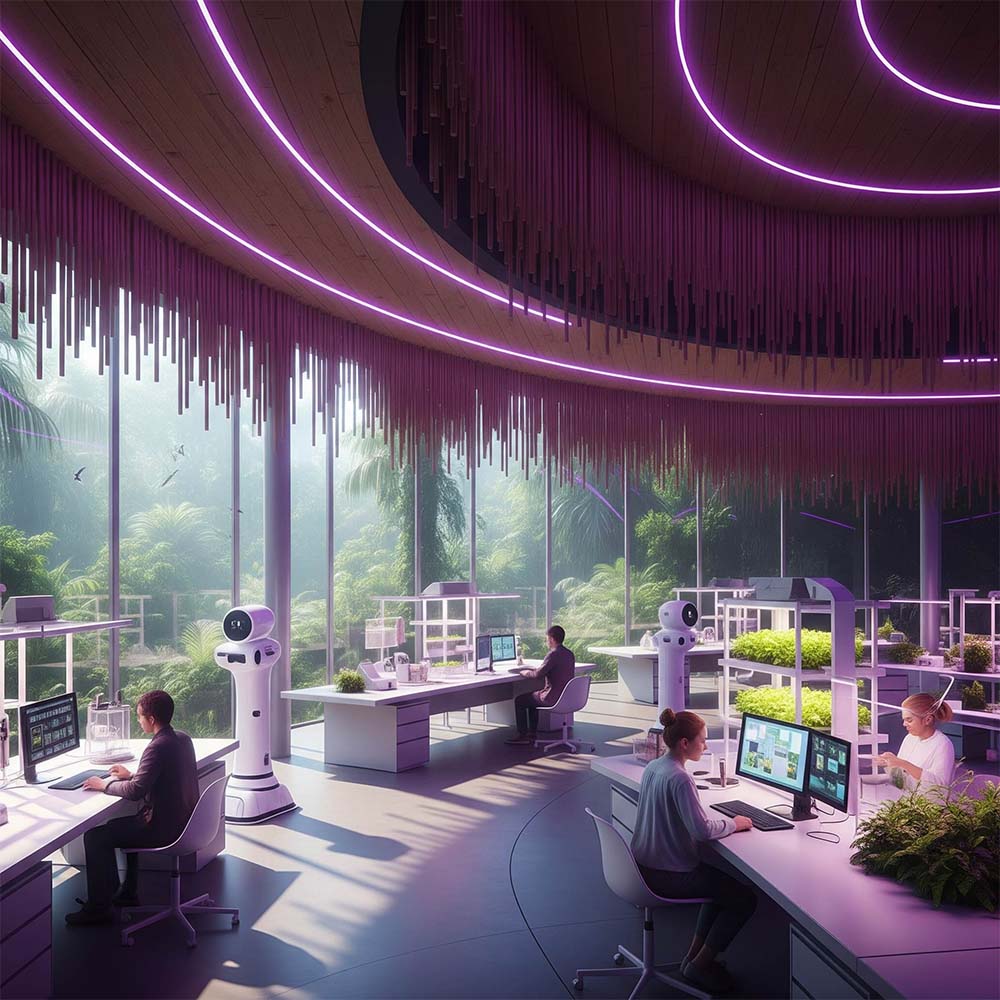
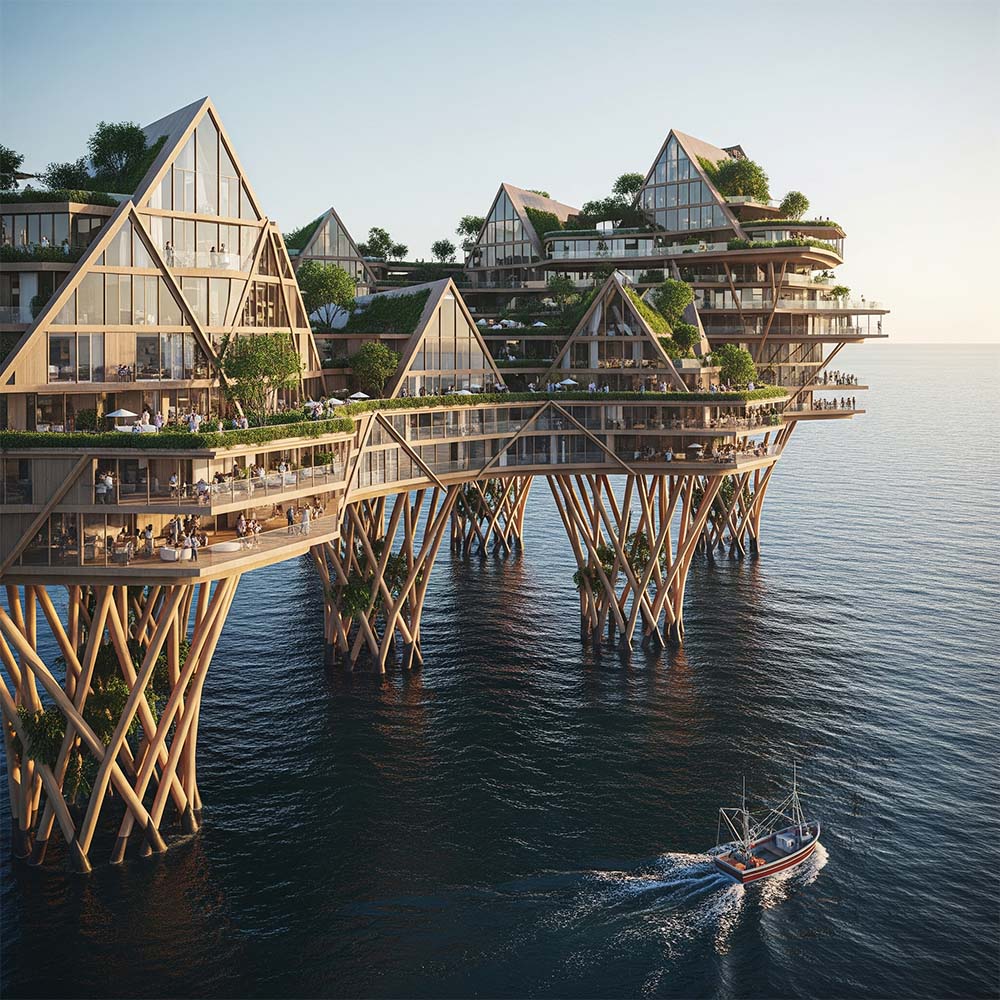
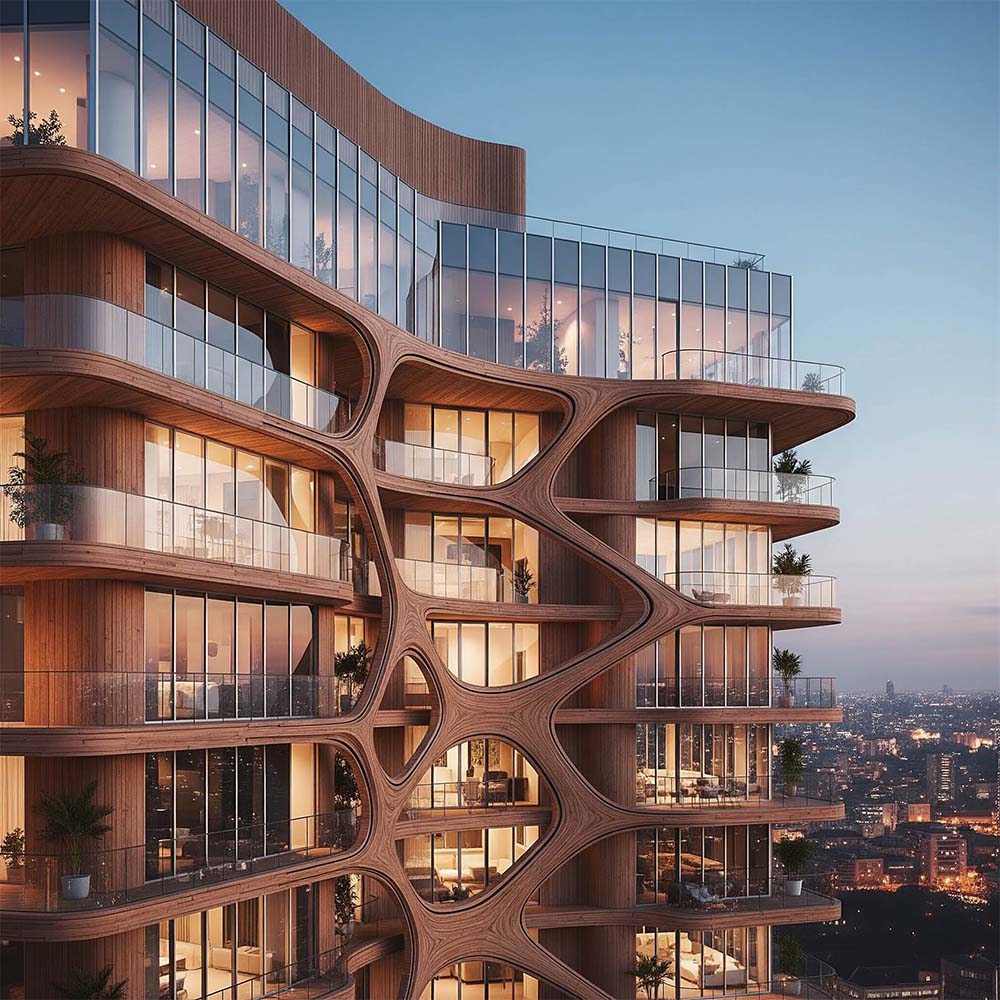
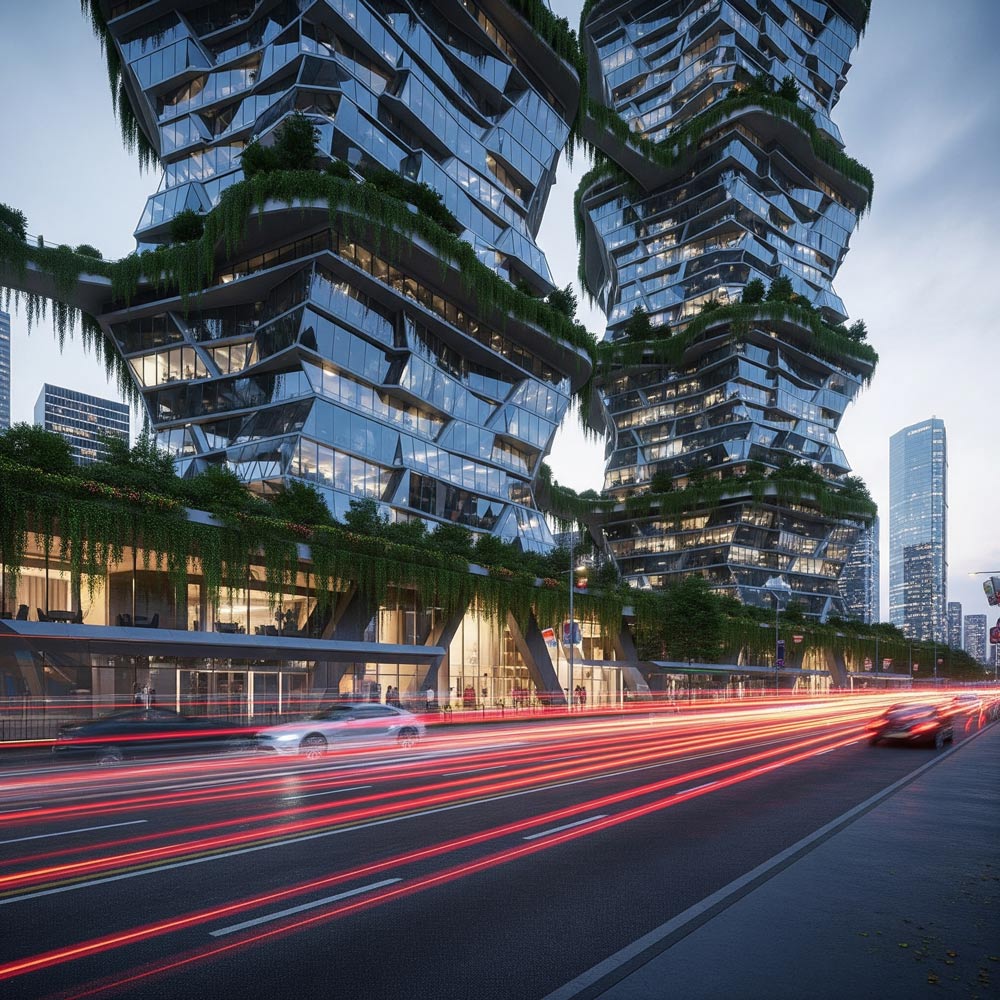
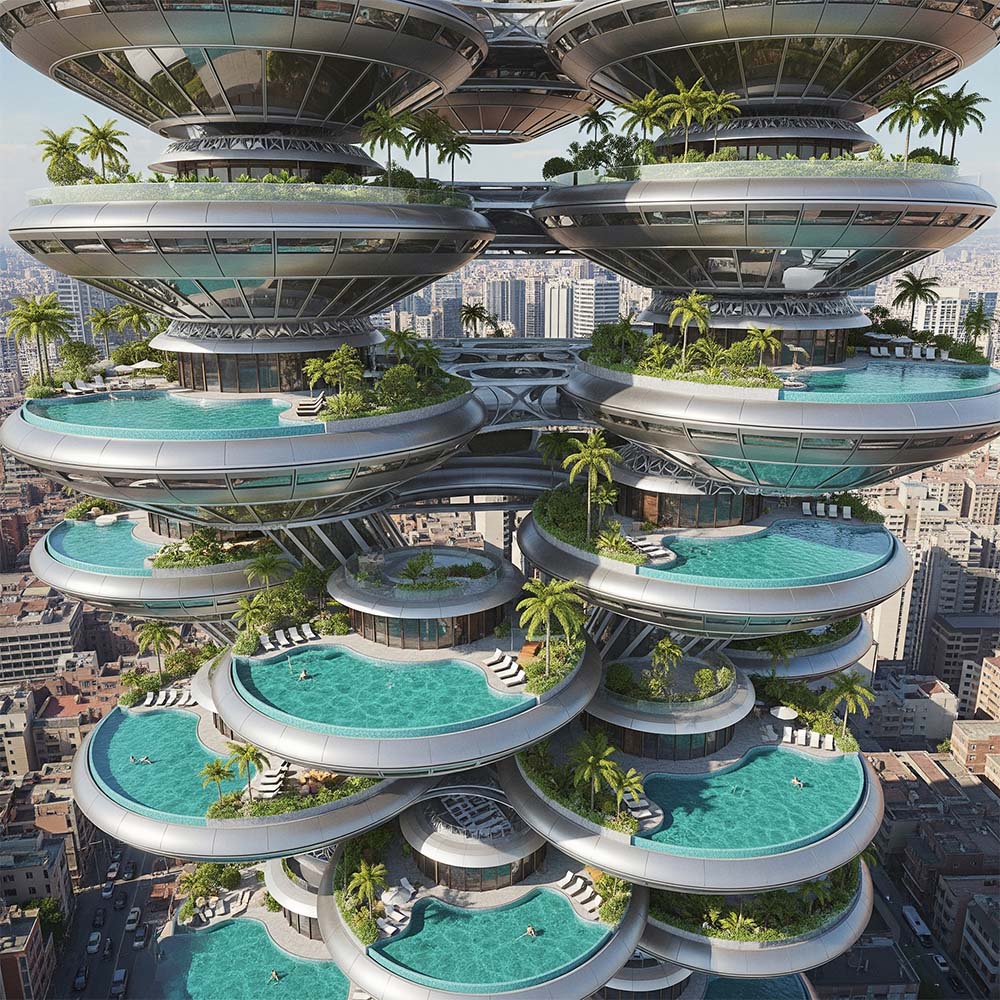
3D models are created for environments, including landscapes, buildings, and interiors. This involves texturing and lighting to simulate realistic surroundings. Level design in gaming relies heavily on these models to create immersive worlds.
Texturing and Materials
Once the 3D models are created, textures are applied to give them color, detail, and realism. This includes mapping images onto surfaces and adjusting properties such as reflectivity and transparency.
Animation
For both films and games, 3D models are animated to convey motion and express emotions. This can involve keyframe animation, motion capture, or procedural animation techniques.
Rendering
The final step involves rendering the completed scenes, which produces 2D images or videos from the 3D models, considering lighting, shadows, and camera angles. High-quality rendering is crucial for achieving cinematic visuals in films and realistic graphics in games.
Software Tools
Common software used for 3D modeling includes Blender, Autodesk Maya, ZBrush, Cinema 4D, and 3ds Max. These tools provide various functionalities for modeling, texturing, rigging, and animation.
3D modeling plays a pivotal role in creating visually stunning and engaging content, making it a fundamental aspect of modern filmmaking and game development.