Digital Fabrication
Precision Digital Fabrication
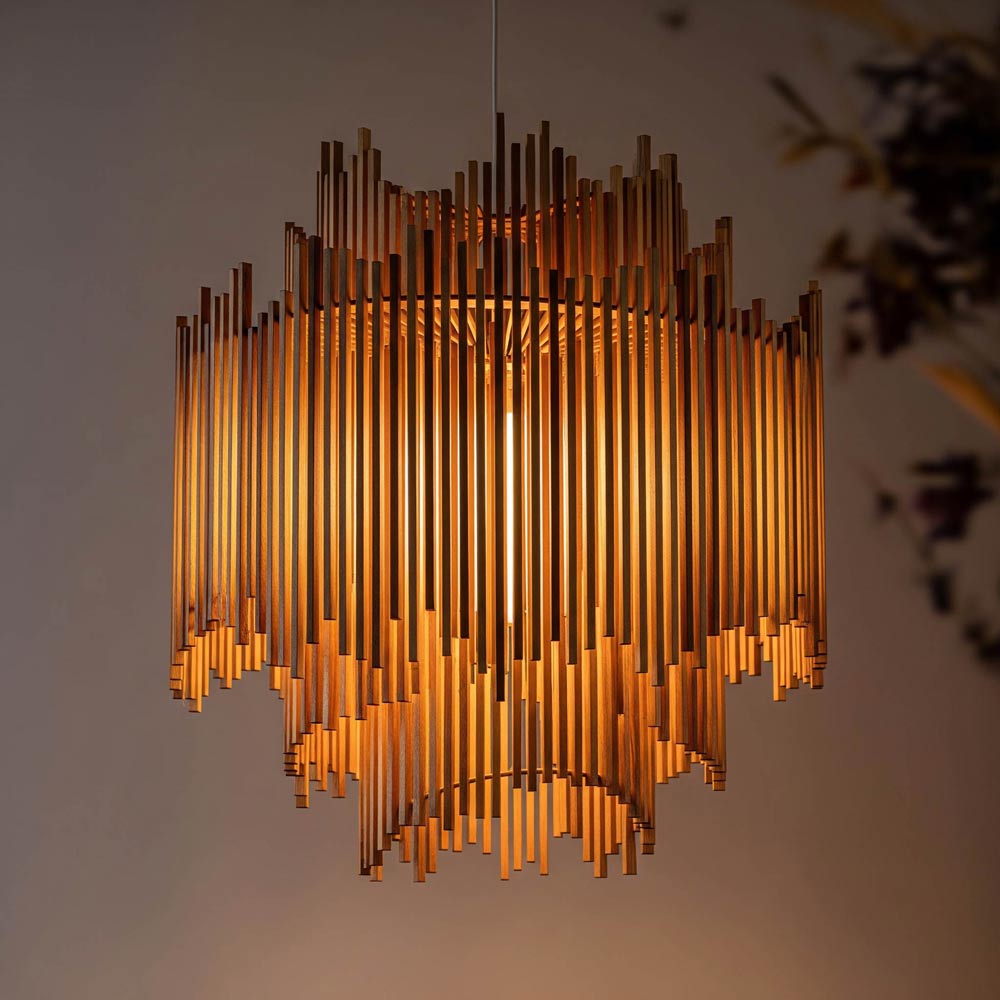
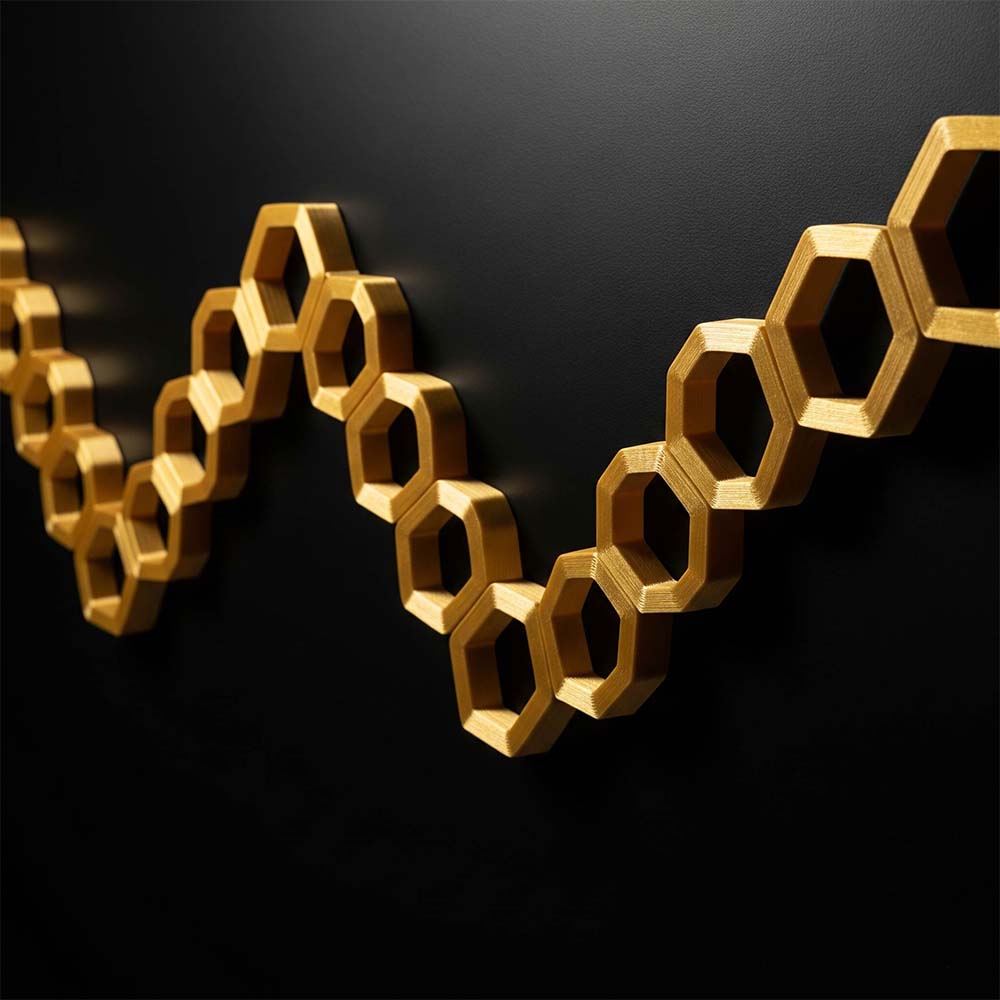
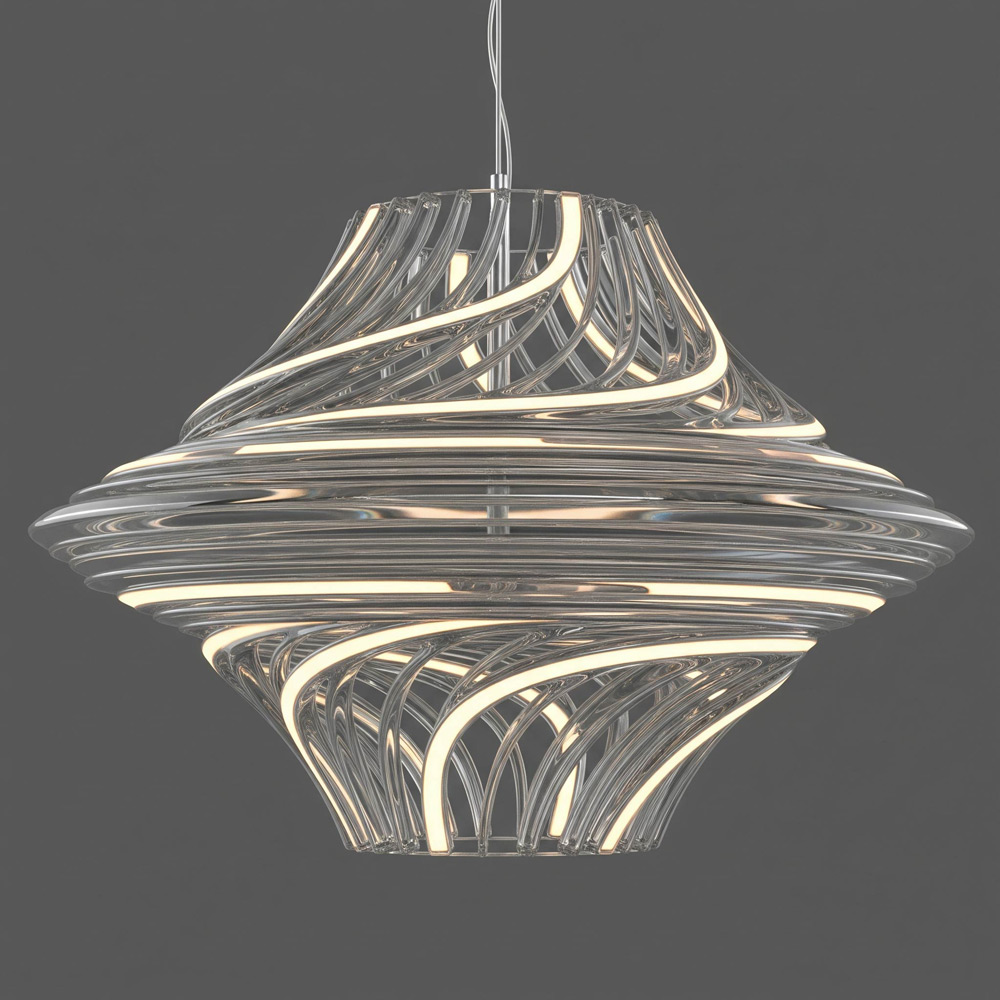
Digital fabrication leverages computerized tools and technologies to transform virtual designs into physical objects with exceptional accuracy.
By integrating computer-controlled processes, this approach enables unparalleled customization, resource optimization, and rapid production.
Below are the key aspects that make digital fabrication a driver of innovation and efficiency across industries.
Technology
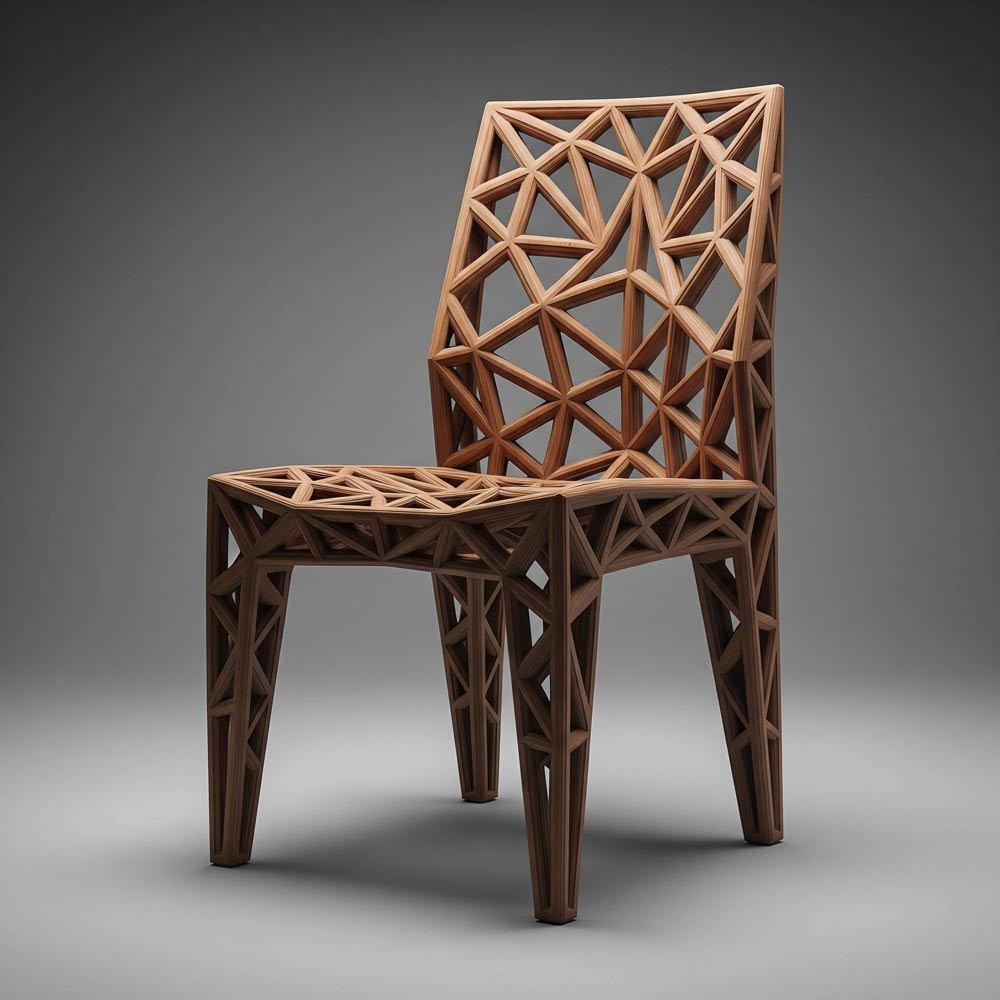
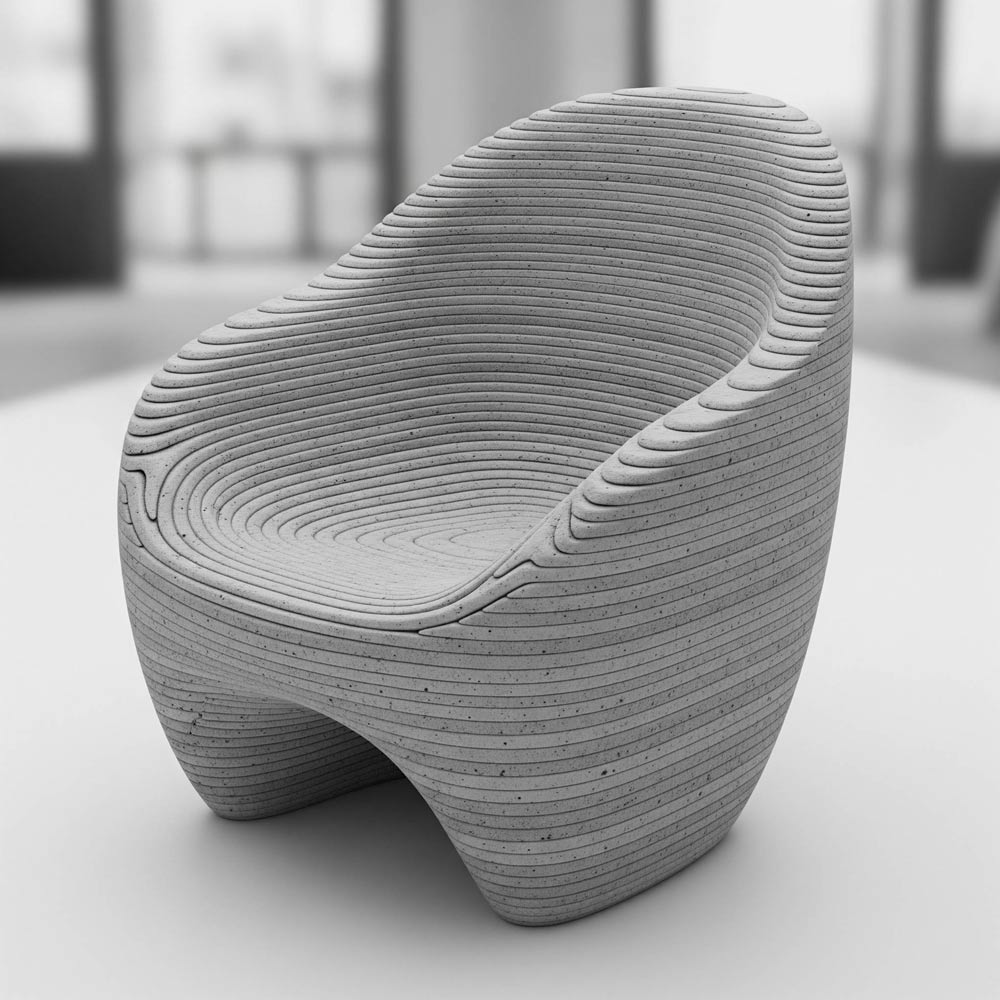
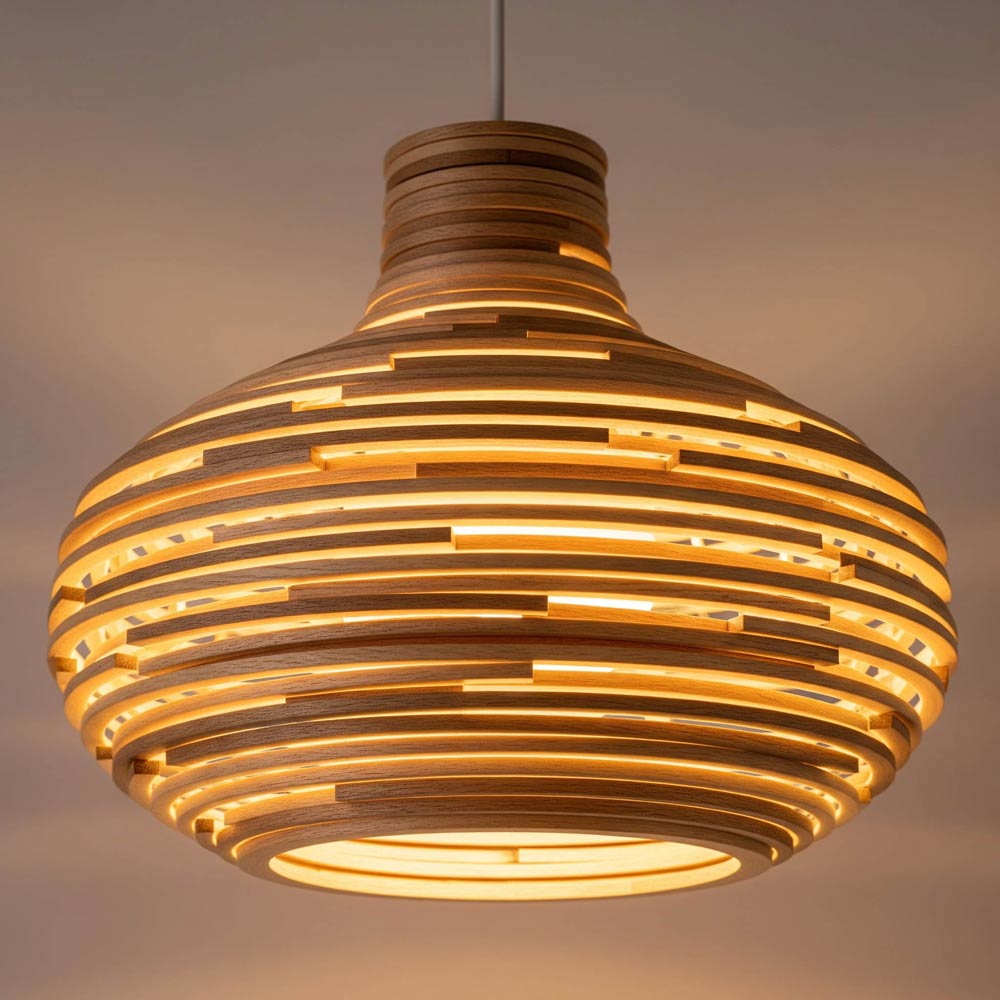
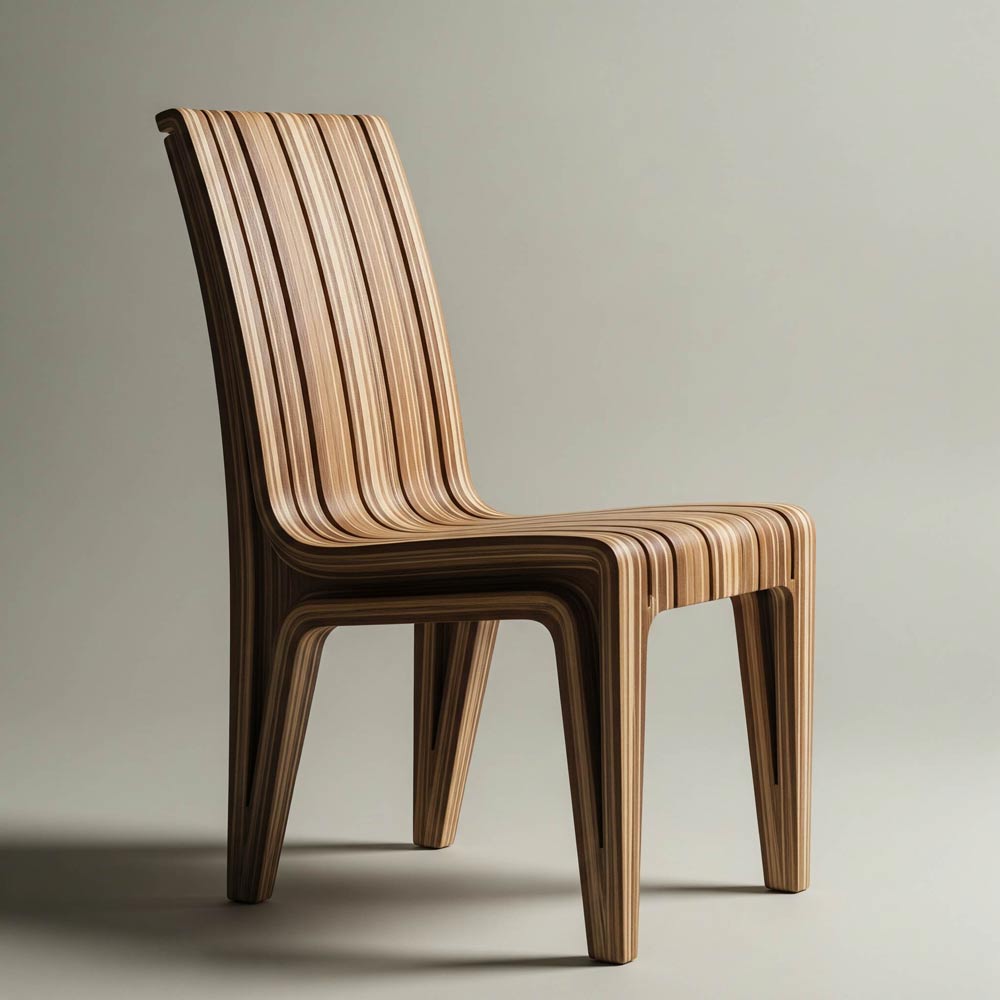
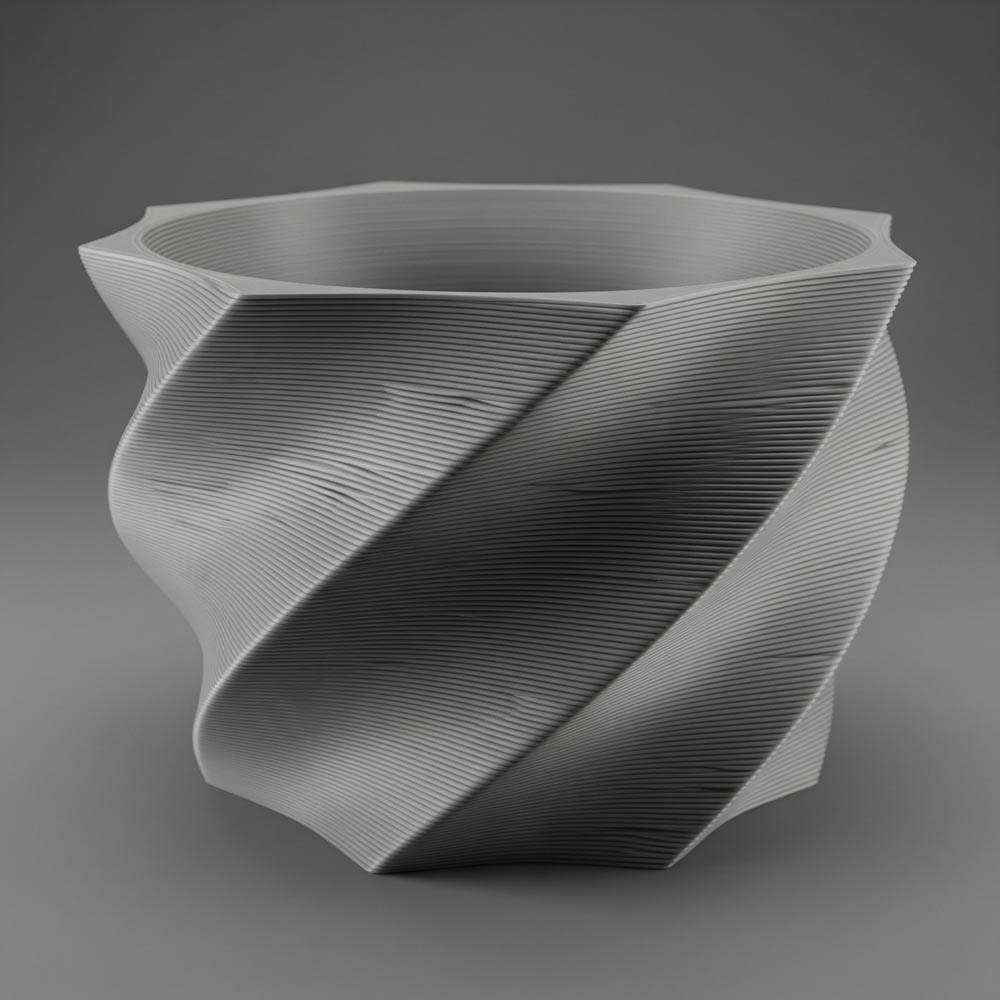
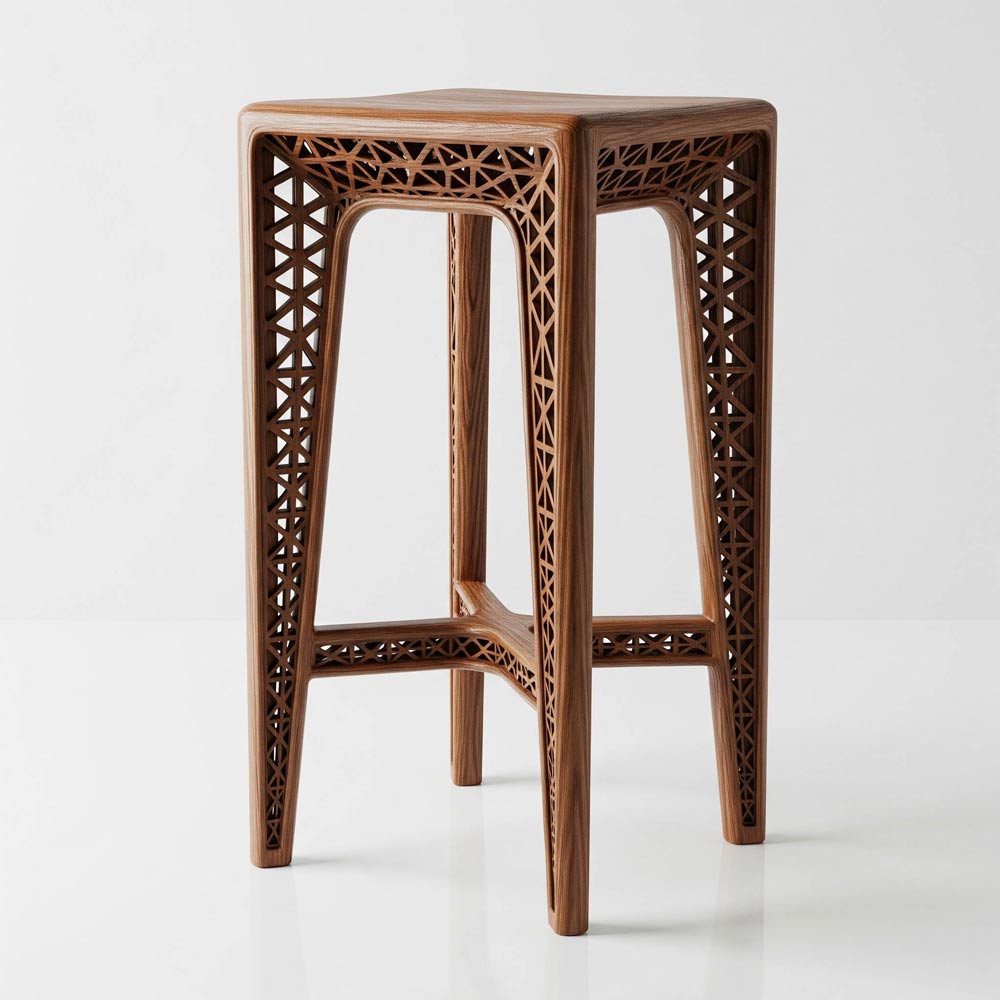
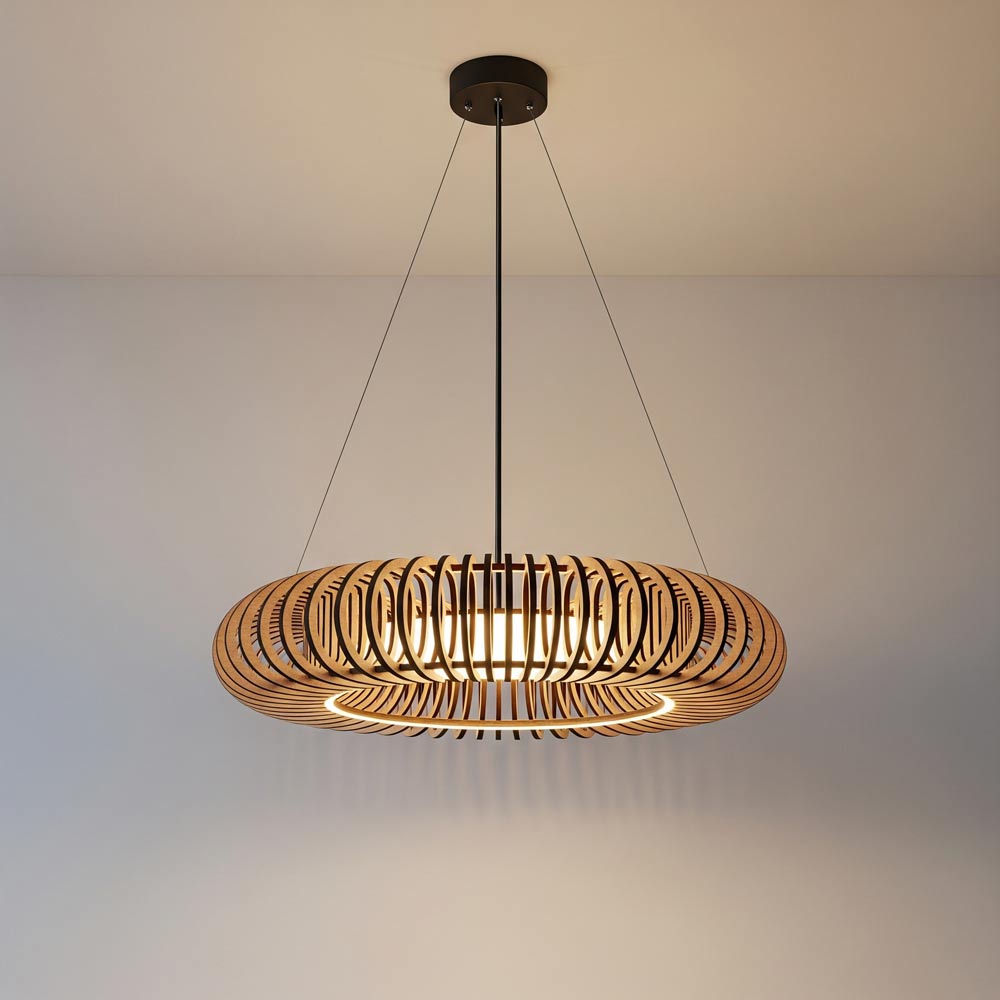
Common methods include 3D printing, CNC (Computer Numerical Control) machining, laser cutting, and robotic fabrication. Each method has unique advantages and is suited for different materials and applications.
Customization
Digital fabrication allows for bespoke designs tailored to specific needs, enabling the production of unique items without the extensive setup typically required in traditional manufacturing.
Efficiency
It often reduces waste by optimizing material usage and allowing for on-demand production, which can lower inventory costs and minimize excess.
Integration with Design
Digital fabrication seamlessly integrates with computer-aided design (CAD) software, allowing designers to create intricate models that can be directly translated into physical objects.
Rapid Prototyping
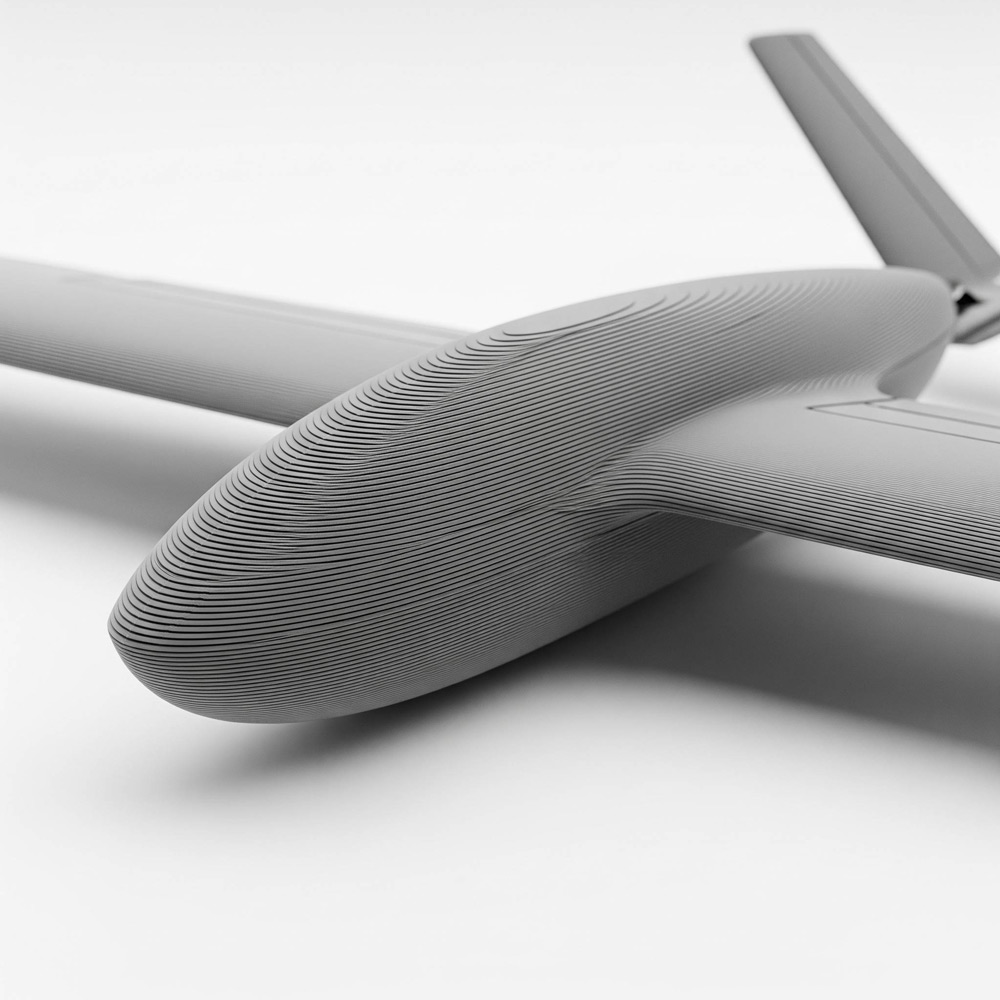
It enables quick iteration of designs, helping designers and engineers test concepts efficiently before final production.
Interdisciplinary Applications
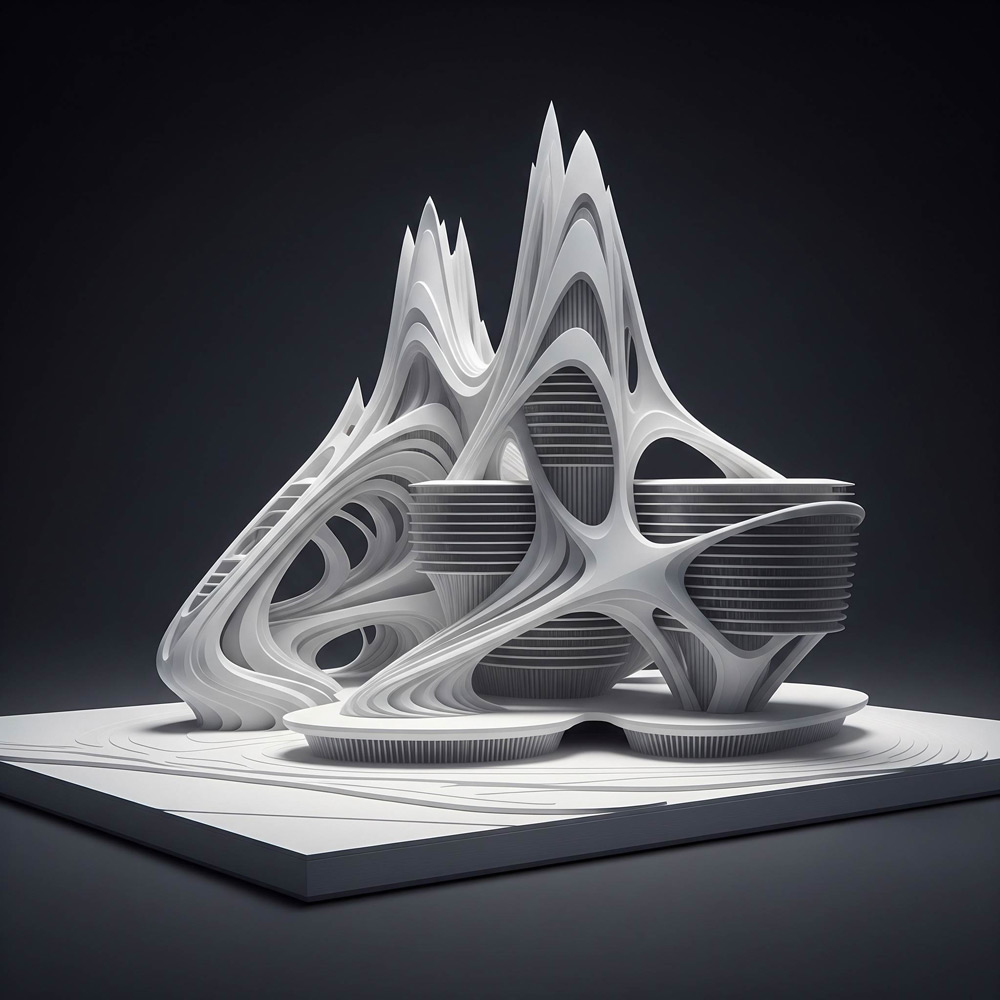
Digital fabrication is used in various fields, including architecture, industrial design, and art, facilitating innovative approaches to building and product development.
Overall, digital fabrication is transforming traditional manufacturing workflows, enabling more efficient, flexible, and sustainable practices across industries